Steinerne Zeugen digital. German-Jewish sepulchral culture between the Middle Ages and modernity
The 24-year project has been funded since 2023 as part of the research program of the German Academies of Sciences and Humanities and is supervised by the North Rhine-Westphalian and Bavarian Academies. In two workplaces at the Steinheim Institute in Essen and at the University of Bamberg, researchers are working on an interdisciplinary basis to edit and analyze Jewish cemeteries from German-speaking countries since the 16th century.
The aim is to create a comprehensive digital data set that documents the inscriptions as well as the spatial and structural characteristics of the gravestones, secures them permanently and makes them accessible for further scientific research. Jewish Studies, Digital Monument Technologies and Building Research are involved.
Messages
15. July 2025
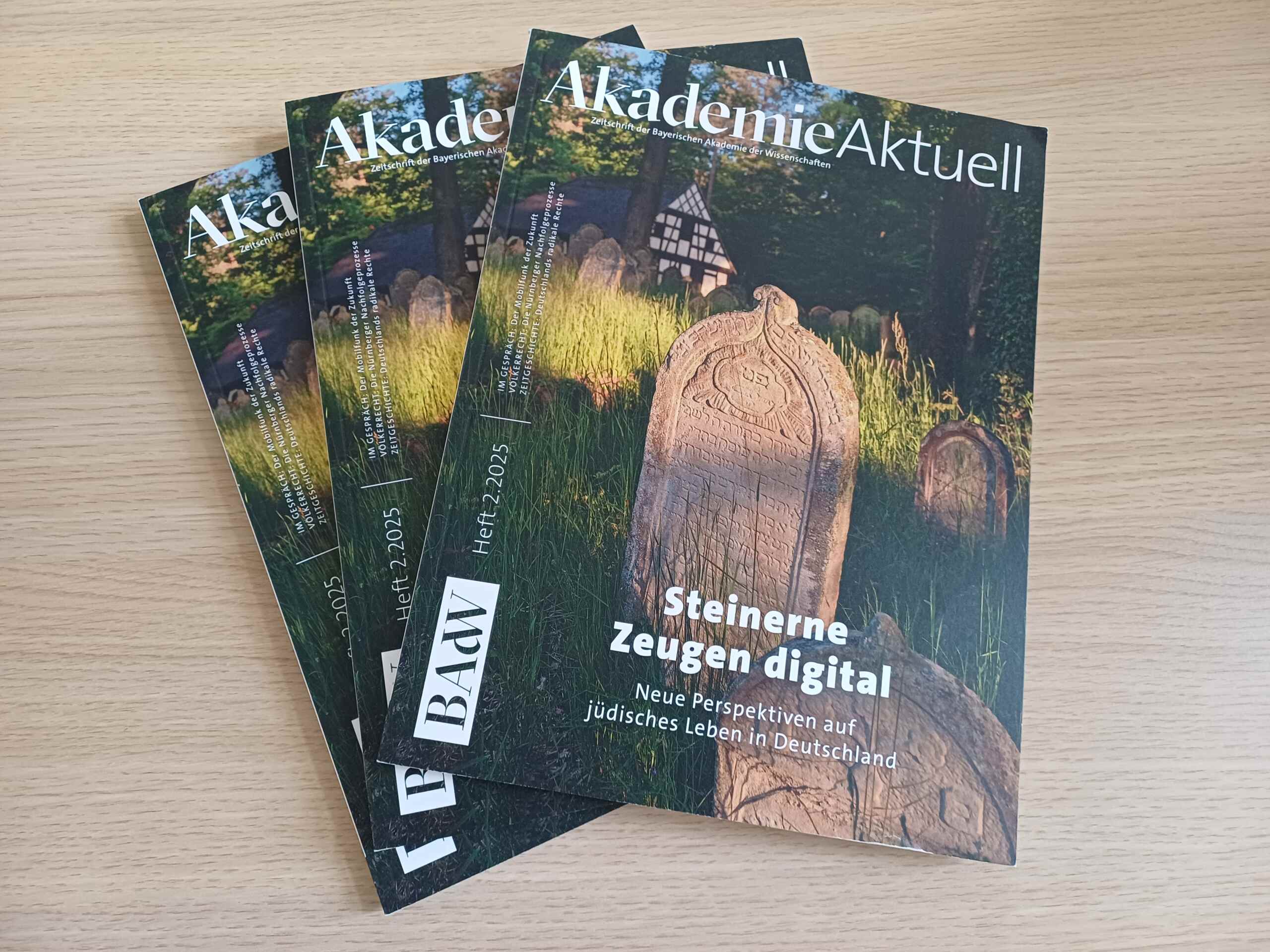
The academy project presents its work in the focus section of the current issue of Akademie Aktuell.
14. September 2024
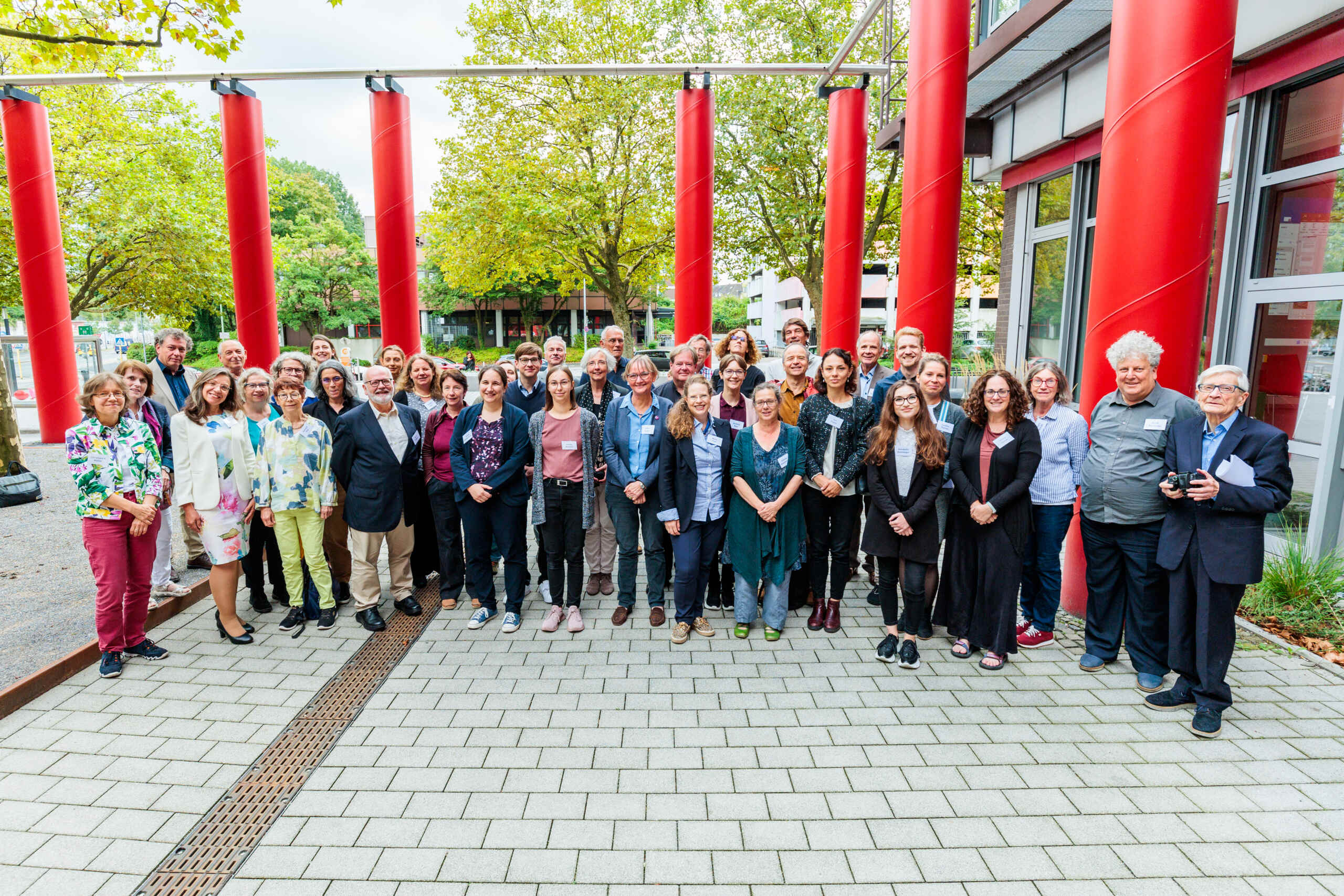
From September 8 to 11, 2024, SZd hosted renowned scientists from seven countries for the kick-off conference in Essen.
17. November 2023
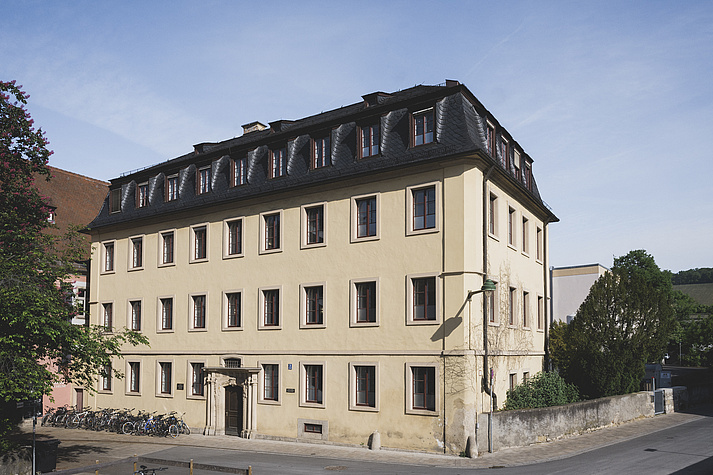
Two projects of the Bavarian Academy of Sciences and Humanities and the North Rhine-Westphalian Academy of Sciences, Humanities and the Arts will start in 2023.
Disciplines
Gaining knowledge through interdisciplinary collaboration
In the “Steinerne Zeugen digital” project, digital monument technologies, building research and Jewish studies are working together in closely coordinated steps. In this way, the gravestones of selected cemeteries, their inscriptions, their design and construction, their materiality and preservation as well as their spatial arrangement can be systematically analyzed synchronically and diachronically and questioned with regard to their source value for the German-Jewish history of the pre-modern period.
Publications
De Gruyter
Veröffentlicht: 2025
Academy News. Journal of the Bavarian Academy of Sciences and Humanities
Veröffentlicht: 2025
Academy News. Journal of the Bavarian Academy of Sciences and Humanities
Veröffentlicht: 2025
3-Sat documentary (Nano) about the
academy project Stone Witnesses (26.01.2024)
There are around 2,400 Jewish cemeteries in Germany, which are increasingly falling into disrepair because there are virtually no descendants left to look after them. Researchers at the Steinheim Institute in Essen and the University of Bamberg now want to capture part of it digitally and make it possible to experience it in 3D.